

Understanding Australia’s Most Popular Air Conditioning Solution
What is split system air conditioning, and why has it become the go-to choice for countless Australian homeowners seeking comfort throughout our diverse climate? These versatile heating and cooling systems offer an efficient, cost-effective solution that’s easy to install and maintain.
Whether you’re sweltering through a scorching summer or seeking warmth during chilly winter nights, understanding how split system air conditioning works can help you make an informed decision for your home. In this comprehensive guide, we’ll explore everything from the technology behind these systems to installation costs, maintenance tips, and how to choose the right size unit for your space.
What is Split System Air Conditioning?
The Two-Unit Design That Changed Home Cooling
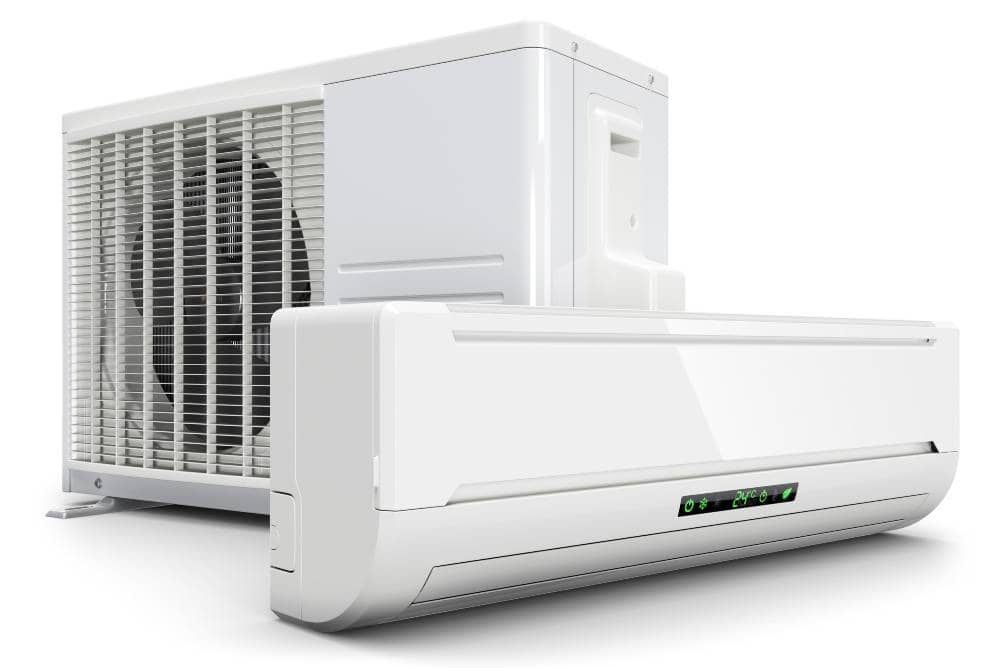
A split system air conditioner is a climate control solution consisting of two main components working in harmony: an indoor unit and an outdoor unit. Unlike bulkier window units or complex ducted systems, split system air conditioning units offer a streamlined approach to temperature control that’s both efficient and aesthetically pleasing.
The indoor unit, typically wall-mounted inside your room, functions as the fan coil unit that distributes conditioned air throughout your space. This unit contains the evaporator coil and is responsible for blowing cool or warm air into your home, depending on your needs. Meanwhile, the outdoor unit houses the compressor and condenser coil, the workhorses that regulate temperature by processing the refrigerant.
These two units are connected by insulated refrigerant lines and electrical wires that run through a small hole in the wall, creating a closed-loop system. This design allows for remarkable flexibility, as you can install multiple indoor units throughout your home, all connected to a single outdoor unit. This configuration, known as a multi-split system, provides targeted climate control in individual rooms without the extensive ductwork required by traditional ducted systems.
The beauty of this setup lies in its simplicity and effectiveness. Each indoor unit operates independently, allowing different family members to set their preferred temperatures in their respective rooms. This zone control capability not only enhances comfort but also contributes to significant energy efficiency, as you’re only heating or cooling the spaces you’re actually using.
Ready to Beat the Heat? Explore Your Air Conditioning Options
Wondering which system suits your home best? Browse our range of air conditioning systems to compare split systems, ducted options, and evaporative cooling solutions. Call now – 0480 808 422
How Does a Split System Air Conditioner Work?
The Refrigeration Cycle Explained Simply
At the heart of every split system air conditioner lies the refrigeration cycle, a fascinating process that efficiently transfers heat from one place to another. Understanding this cycle helps you appreciate the sophisticated technology that keeps your home comfortable year-round.
The refrigeration cycle works through these key steps:
- Compression: The compressor in the outdoor unit pressurises the refrigerant gas, raising its pressure and temperature, converting it into a high-pressure, high-temperature gas before it moves to the condenser coil. Modern systems often use the environmentally friendlier R32 refrigerant, which offers up to 10-12% improved energy efficiency and has a Global Warming Potential (GWP) approximately 67% lower than commonly used older refrigerants like R410A.
- Heat Release: This hot, high-pressure liquid travels through the condenser coil in the outdoor unit. Here, a DC fan motor drives air circulation across the coil, releasing heat into the outside air. As the refrigerant releases this heat, it cools down and remains in a high-pressure liquid state.
- Cooling Process: The refrigerant flows from the outdoor unit through the insulated pipes to your home’s indoor unit. Upon reaching the indoor evaporator coil, the cold refrigerant absorbs heat from the indoor air, causing it to fully evaporate into a low-pressure gas.
- Air Circulation: The indoor unit’s fan draws warm room air across this cold evaporator coil, cooling the air before circulating it back into your living space.
- Repeat Cycle: The now low-pressure warm refrigerant gas returns to the compressor in the outdoor unit through suction lines, where the cycle restarts continuously until your desired temperature is achieved. At that point, the system either cycles down or turns off automatically, maintaining optimal comfort whilst minimising energy consumption.
What sets modern split systems apart is inverter technology. Unlike traditional air conditioners that operate at full capacity and then shut off, an inverter compressor adjusts its speed continuously to maintain your desired temperature. This variable-speed operation delivers superior energy efficiency, quieter performance, and more consistent comfort. The fan speed also adjusts automatically, optimising air circulation whilst reducing operating noise levels.
Split System vs Reverse Cycle: Understanding the Difference
Can Your Split System Heat and Cool?
One of the most common questions homeowners ask is whether their split system can provide both heating and cooling. The answer depends on the specific type of unit you choose, and understanding this distinction is crucial for year-round comfort.
Not all split system air conditioners are created equal. Here’s a quick comparison:
| Feature | Basic Split System | Reverse Cycle Split System |
| Cooling | ✓ Yes | ✓ Yes |
| Heating | ✗ No | ✓ Yes |
| Functionality | Cooling only | Heating and cooling |
| Year-round comfort | Summer only | All seasons |
| Energy efficiency | Good for cooling | Excellent for both heating and cooling |
| Best for | Warm climates | Australia’s varied climate |
Basic split systems offer cooling only, extracting heat from indoor air and transferring it outside during warm weather. However, reverse cycle split system air conditioners offer the versatility of both heating and cooling modes, making them ideal for Australia’s varied climate.
A reverse cycle air conditioning system works by literally reversing the refrigeration cycle. In cooling mode, it operates exactly as described earlier—removing heat from inside and releasing it outdoors. But when you switch to heating mode, the system reverses this process. The outdoor unit extracts heat from the outside air (yes, even on cold days, there’s still heat energy available) and pumps it inside through the indoor unit.
This heating capability makes reverse-cycle air conditioners remarkably efficient compared to traditional electric resistance room heaters. Rather than generating heat through electrical resistance, which is energy-intensive, reverse cycle systems simply move existing heat from one place to another. This can result in heating efficiency with a Coefficient of Performance (COP) of 3 to 4 or higher, meaning you get three to four times more heating energy than the electrical energy consumed. This is significantly more efficient than traditional electric resistance heaters, which have a COP of only 1.
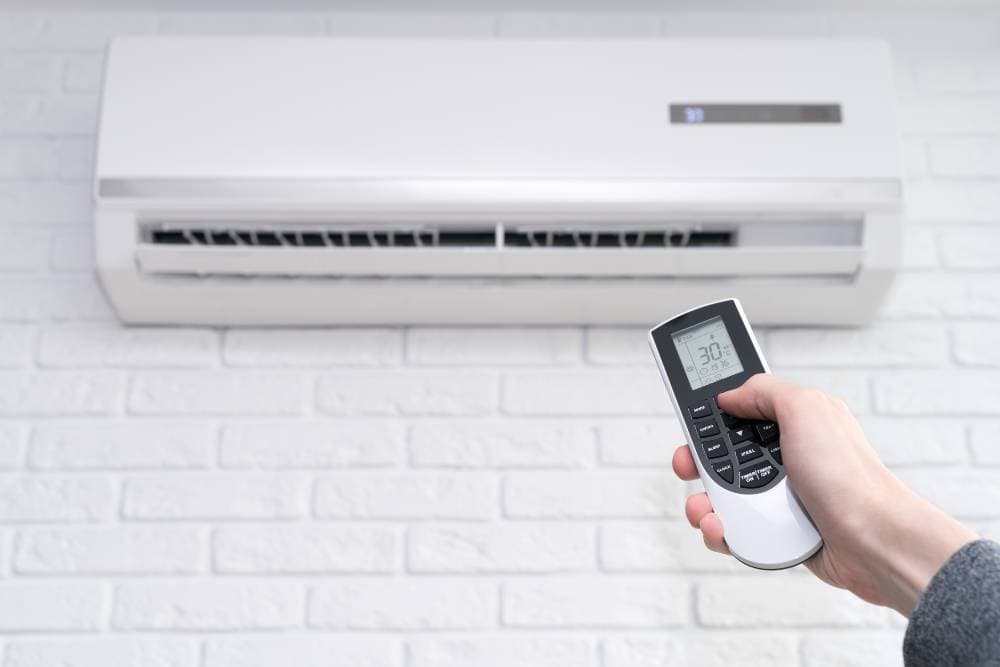
The beauty of a reverse cycle air conditioning system is that you get two heating and cooling systems in one unit. There’s no need to purchase and install separate heaters and air conditioners, saving you money, space, and the hassle of maintaining multiple systems. Many modern units even feature smart technology with Wi-Fi connectivity, allowing you to control your climate via remote control or smartphone from anywhere, ensuring your home is at the perfect temperature when you arrive.
Advantages and Disadvantages of Split System Air Conditioning
Is a Split System Right for Your Home?
Split system air conditioners have become Australia’s most popular climate control choice, and for good reason. However, like any technology, they come with both benefits and limitations worth considering.
The Advantages
- Energy Efficiency: Modern units featuring inverter technology and high star ratings on the Zoned Energy Rating Label can significantly reduce your power bills compared to older systems or ducted gas heaters. The ability to cool or heat only the rooms you’re using, rather than your entire home, translates to substantial energy savings and lower energy bills over time.
- Easy Installation: Installation is remarkably straightforward compared to ducted systems. Without extensive ductwork requirements, professional installation typically takes just half a day, minimising disruption to your household.
- Quiet Operation: The system’s quiet operation ensures you won’t be disturbed by noisy compressors or fans, with many premium models incorporating features like sleep mode that reduce operating noise levels even further.
- Minimal Maintenance: Maintenance requirements are minimal, with washable air filters that you can easily clean yourself. Advanced models feature self-clean functions and sophisticated filtration systems, including HEPA and ion filters, bio filters, silver ion filters, and super ion filters that improve indoor air quality by removing allergens, bacteria, and odours.
- Convenient Features: Modern split systems boast impressive convenience features, including turbo mode for rapid temperature changes, auto air swing and 3D air flow for optimal heat distribution, dimmable digital displays, and wireless connectivity for demand response programs that can further reduce energy costs. AC brands like Daikin’s Z Series even incorporate Streamer Technology for enhanced air purification.
The Disadvantages
- Not Ideal for Large Spaces: Split systems aren’t perfect for large, open-plan spaces where ducted systems with zone control might prove more efficient.
- Multiple Units Required: If you want whole-home coverage, you’ll need multiple indoor units, which increases both upfront costs and the visual impact of wall-mounted units.
- Visible Indoor Units: The indoor units are visible on your walls, which some homeowners find less appealing than the discreet vents of ducted systems.
- Varied Support: Customer service and warranty conditions vary by brand and retailer, so ensuring you have reliable support is essential for long-term satisfaction.
When comparing split systems to ducted systems, remember that ducted air conditioning uses ductwork to deliver conditioned air throughout your building, making it suitable for larger spaces with multiple rooms. However, for individual rooms or smaller homes, split system air conditioning generally provides greater energy efficiency and cost-effectiveness, making it the preferred choice for targeted comfort and significant energy savings.
Expert Installation for Optimal Performance
Our certified technicians provide professional split system air conditioner installation services, ensuring your system is correctly sized, positioned, and installed for maximum efficiency and longevity. See the areas we service and give us a call now – 0480 808 422
Choosing the Right Size Split System for Your Space
Matching Capacity to Your Cooling and Heating Needs
Selecting the correctly sized split system air conditioner is crucial for maximising performance, ensuring comfort, and minimising running costs. An undersized unit will struggle to reach your desired temperature, running constantly and driving up your energy bills. Conversely, an oversized unit will cycle on and off frequently, failing to properly dehumidify the air and wasting energy in the process.
Cooling and heating capacity is measured in kilowatts (kW), and several factors determine the right size for your needs. Here’s what you need to consider:
Room Size Matters Most
Floor space and ceiling height significantly impact your requirements. As a general guideline:
- Rooms of 10-20m² typically need a 2.6kW unit
- Rooms of 20-30m² require a 3.5kW unit
- Rooms of 30-45m² need a 5-6kW unit
- Rooms of 45-65m² require a 7-8kW unit
Remember that rooms with higher ceilings need more capacity, as there’s simply more air to condition. An open-plan living area with cathedral ceilings will require considerably more power than a standard bedroom of the same floor area.
Insulation and Thermal Efficiency
The thermal performance of your home plays a vital role in system sizing. A well-insulated home with quality ceiling and wall batts, along with double-glazed windows, creates a thermal barrier that retains conditioned air. This efficiency often allows for a smaller capacity unit to be installed. Conversely, a home with poor insulation or large, single-glazed windows will suffer from rapid heat loss or gain, requiring a more powerful system to maintain the same level of comfort.
Location and Climate Considerations
Australia’s climate diversity means location matters enormously. A home in sunny western Sydney suburbs like Penrith or Campbelltown requires a more powerful air conditioner than a similar property in coastal areas like Bondi or the cooler southern regions of Hobart or Melbourne. Consider your local climate’s temperature extremes and humidity levels when sizing your system. A reverse cycle air conditioner in a mild climate might need less heating capacity, whilst one in hot inland areas requires robust cooling power.
Orientation and Sun Exposure
The way your room faces dramatically affects heating and cooling requirements. A large north or west-facing window can flood a room with intense afternoon sun during summer, significantly increasing your cooling load. Conversely, a shaded, south-facing room remains cooler naturally. Consider window sizes, the presence of shade from trees or neighbouring buildings, and whether you use curtains or blinds to manage solar heat gain.
Given these variables, it’s always wise to seek expert advice before making your final decision. Professional installers can perform detailed heat load calculations that account for all these factors, ensuring you invest in a system that’s perfectly matched to your needs. Many retailers offer free in-home assessments—take advantage of this service to make an informed choice.
Installation, Costs, and Maintenance of Split Systems
What to Expect from Purchase to Long-Term Care
Understanding the practical aspects of owning a split system air conditioner, from initial installation through ongoing maintenance, helps you budget appropriately and maximise your investment’s lifespan.
Professional Installation is Essential
Split system air conditioning units require professional installation by licensed technicians. This isn’t a DIY project, as it involves safely handling refrigerant gas, connecting electrical wires between indoor and outdoor units, and conducting proper drainage plumbing to an approved discharge point, such as a garden, absorption pit, or sanitary connection, in accordance with local council regulations. Attempting DIY installation poses serious safety hazards and will void your manufacturer’s warranty conditions.
During installation, your technician will carefully position both units for optimal performance. The outdoor unit is typically fitted on the exterior wall of the room requiring climate control, ideally in a shaded area away from direct sunlight and living spaces to minimise noise and boost efficiency. The indoor unit is generally best mounted on a long wall rather than directly above windows, ensuring unrestricted air circulation throughout the room.
Understanding the Costs
Installation typically takes about half a day for a standard single-room setup. Pricing varies depending on several factors, including your property layout, the specific model chosen, and any additional work required, such as extended refrigerated pipes or complex electrical connections. Typical installation costs for split system air conditioners in Australia range from approximately $600 to $1,500, depending on system size and additional installation requirements. Though high-wall split air conditioners with advanced features like ultra inverter technology, enhanced average star ratings, or premium filtration will cost more.
When evaluating costs, consider the long-term value proposition. A higher-efficiency unit with a better Energy Star rating will cost more upfront but can deliver substantial savings on your energy bills over its lifespan. Also factor in any available rebates or certificate prices through energy efficiency programs, which can offset initial costs.
Maintenance for Longevity
Regular maintenance keeps your reverse cycle split system running efficiently and extends its operational life. The most important task is cleaning your air filters, typically needed twice yearly, or more frequently if you use your system heavily.
Cleaning is straightforward: ensure the system is completely turned off, pop open the plastic cover, and remove the filters. Take them outside and brush, shake, or vacuum them with a dusting brush attachment. For heavily soiled filters, wash them in warm, soapy water, but ensure they’re completely dry before reinstallation to prevent mould growth.
Many units allow you to remove the louvres (blades) for more thorough cleaning. Clean these and the accessible interior spaces with a cloth or vacuum to maintain optimal air quality. For the outdoor unit, keep the area clear of grass, plants, leaves, and cobwebs. You can vacuum the air intake to remove dust, but leave internal component cleaning to professionals during annual service visits.
Modern systems with self-clean functions automatically dry the internal components after use, preventing mould and bacterial growth. However, this doesn’t eliminate the need for regular filter cleaning and professional servicing. Many manufacturers require annual professional maintenance to maintain warranty validity, so check your warranty enquiry details and schedule regular service appointments.
Noticed Your System Isn’t Performing as It Should?
From strange noises to reduced cooling power, our air conditioning repairs team diagnoses and fixes issues quickly. Don’t let a minor problem become a major expense. Get expert repairs when you need them – 0480 808 422
Experience Year-Round Comfort with Expert Split System Solutions
Choosing the right air conditioning system represents a significant investment in your home’s comfort and energy efficiency. Split system air conditioners offer an unbeatable combination of versatility, efficiency, and value that makes them Australia’s favourite climate control solution. Whether you opt for a basic cooling-only model or a comprehensive reverse cycle air conditioning system with smart device integration and advanced filtration, you’re investing in reliable comfort for years to come.
The decision to install split system air conditioning affects not just your immediate comfort but your ongoing energy bills, environmental footprint, and home value. That’s why expert guidance matters. At CB Climate Control, our air conditioning specialists bring years of experience helping homeowners across Australia select, install, and maintain the perfect climate control solution for their unique needs.
Don’t leave your comfort to chance. Contact CB Climate Control today for personalised recommendations based on your specific requirements, home layout, and budget. Our team will assess your property, explain your options clearly, and ensure your new split system is installed to the highest standards. Experience the difference that professional service and quality equipment make. Reach out to CB Climate Control and take the first step towards year-round comfort in your home.


