

Many homes across Australia rely on some form of air conditioning to stay comfortable year-round. Among the available options, ducted air conditioning stands out for its ability to quietly and efficiently cool or heat an entire home through a concealed network of ducts and vents. Ducted air conditioning is a central climate control system that distributes conditioned air to multiple rooms from one internal unit, providing consistent temperature throughout the property.
This system suits both new homes and existing ones, offering a clean, seamless appearance with only the ceiling grilles and a wall controller visible. It operates through hidden ceiling ducts that deliver air precisely where it is needed, keeping every area comfortable without bulky indoor units.
What Is A Ducted Air Conditioning System?
Ducted air conditioning delivers heating and cooling from one central unit through a network of ducts to multi-room spaces. It provides consistent climate control, quiet operation, and a discreet design integrated within ceilings or floors.
As technology advances, ducted air conditioners now include zoning features, allowing more control over energy use and comfort in different parts of a home. Understanding what ducted air conditioning is, how it works, and what benefits it offers helps homeowners choose the right system for their lifestyle and property size.
Key Components of a Ducted Air Conditioning System
A ducted air conditioning system includes two main units: an indoor part that acts as a heating & cooling unit, and an outdoor condenser that releases or absorbs heat. The indoor unit is typically installed in the ceiling cavity or under the floor, connected by insulated air ducts to supply conditioned air throughout the building.
Each room receives air through supply vents, while return air grilles draw air back to the indoor unit for reconditioning. Thermostats or zoning controls regulate temperature and airflow, allowing precise management of comfort and energy use.
Key parts often include:
| Component | Function |
| Indoor unit | Condition the air |
| Outdoor unit | Acts as a heat exchanger with the outside air |
| Ductwork | Distributes conditioned air across zones |
| Vents and grilles | Deliver and return air |
| Controller | Adjusts operation and temperature settings |
Professionally installed ducted systems use concealed components, maintaining a streamlined interior appearance while distributing air evenly.
How Ducted Systems Differ from Other Air Conditioning Types
Unlike split systems or multi-split system units, which serve individual rooms, a ducted air con manages an entire home or commercial space from one central point. This setup eliminates the need for multiple wall-mounted units and maintains uniform temperature control in each zone.
Ducted systems are usually quieter because key mechanical parts remain outside living areas. They also provide better aesthetic integration since only vents are visible indoors.
However, installation costs are higher, and space is needed for ducting and the indoor unit. For larger properties seeking balanced airflow, a ducted HVAC system often proves more operating efficiency and is more unobtrusive than multiple independent air conditioners.
Stay Comfortable All Year Round
Keep your home or business at the perfect temperature with expert air conditioning services and reliable air conditioning cleaning in Sydney. Call 0480 808 422 today.
How Does a Ducted Air Conditioning System Work?
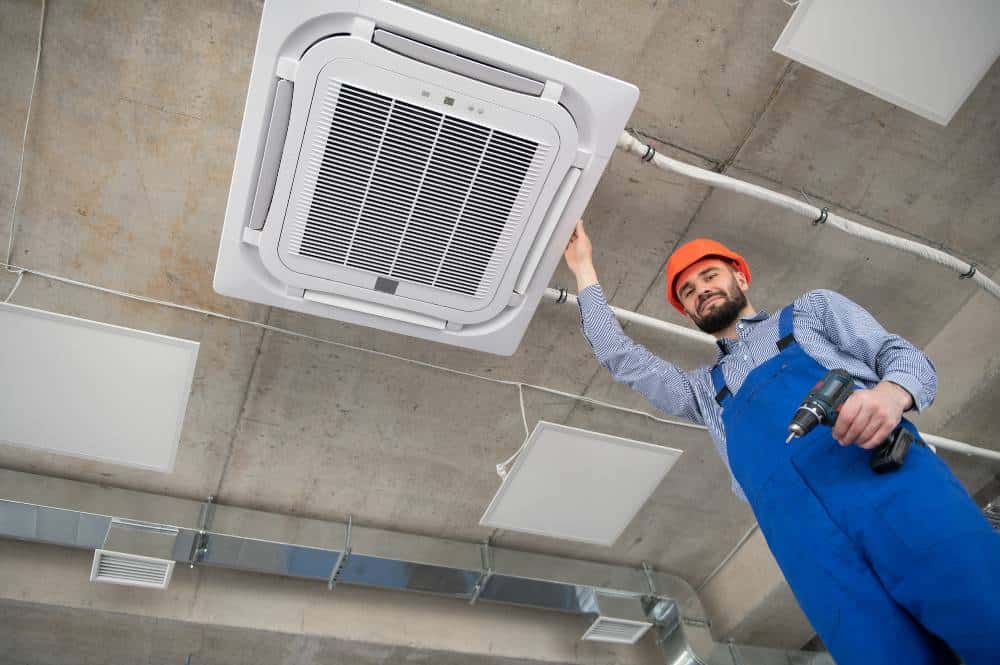
A ducted air conditioning system distributes cooled or heated air from a central unit through concealed ducts to multiple zones. It relies on precise airflow design and a controlled refrigeration process to maintain stable indoor temperature adjustments with high efficiency.
Airflow and Zoning Principles
The system pushes conditioned air from the indoor unit through a network of flexible ductwork installed in the ceiling or under the floor. Each duct connects to an air vent that delivers air into specific areas or zones. These zones allow occupants to adjust room temperatures in different parts of the home independently.
A thermostat or digital zone control panel manages air distribution and temperature levels. When a zone reaches its set temperature, motorised dampers in the ducts can partially or fully close to redirect airflow where it’s needed.
This zoning approach helps reduce energy use by avoiding unnecessary heating or cooling in unoccupied rooms. It also improves comfort by providing even air distribution across the home. The system operates quietly because most mechanical components are positioned in ceilings or roof cavities, away from living spaces.
Refrigeration Cycle and Main Processes
The indoor unit houses the evaporator coil. The outdoor unit contains the compressor and condenser coil, which release the absorbed heat outside during cooling or draw in heat during heating.
Each component plays a specific role:
- Evaporator – absorbs indoor heat.
- Compressor – increases refrigerant pressure and temperature.
- Condenser – expels or absorbs heat outside, depending on mode.
Together, these processes create a continuous cycle of energy transfer that maintains consistent comfort throughout every zone.
What are the Benefits of a Ducted Air Conditioning System?
Ducted air conditioning offers consistent indoor comfort, discreet installation, and efficient temperature management across multiple zones. It balances performance and energy use by combining quiet operation with uniform heating and cooling throughout the home.
Quiet Operation and Aesthetic Appeal
Ducted systems operate quietly because the compressor sits outside, while the fan coil and other main components are hidden in the ceiling cavity or roof space. This design keeps noise levels low in occupied spaces, allowing people to work, rest, or entertain without distractions.
Unlike wall-mounted split units, ducted vents blend smoothly into ceilings or bulkheads. The result is a minimal aesthetic that fits both modern and traditional interiors. With only small ceiling grilles visible, it preserves clean architectural lines.
Many homeowners prefer this concealed layout because it avoids intrusive equipment in living areas. The reduced visual clutter makes rooms look larger and more cohesive. Quiet operation also supports overnight use without disturbing sleep, providing steady comfort around the clock.
Whole-Home Climate Control
A ducted system can serve an entire property through multiple air outlets connected by concealed ductwork. This setup delivers even temperature control to every room, reducing noticeable hot or cold spots.
Modern systems often include zoning capability, allowing users to section the home into areas with individual temperature settings. For example, bedrooms may be cooled at night while living spaces remain unconditioned, conserving energy.
Key advantages of central climate management include:
- Consistent heating and cooling performance in all rooms
- Greater control over comfort levels through zoning systems
- Balanced airflow that prevents uneven air distribution
This centralised arrangement suits both large homes and offices where occupants require stable, reliable comfort throughout the day.
Energy Efficiency Advantages
Ducted air conditioning is designed for energy-saving cooling and heating while maintaining a steady indoor temperature. Inverter-driven compressors adjust output to match demand, preventing unnecessary power use. This variable control helps lower energy consumption and operating costs.
When combined with regular maintenance and properly sealed ductwork, these systems can achieve high efficiency standards. Upgrading insulation or using smart thermostats further improves performance.
Energy zoning offers another layer of efficiency. By switching off unused zones, households reduce load on the system while maintaining comfort in occupied spaces. Over time, this approach decreases electricity use without compromising convenience or climate consistency.
Upgrade Your Cooling the Right Way
From new installs to whole-of-home design, air conditioning installation and air conditioning systems keep your space comfortable year-round. Reach out to our specialists at 0480 808 422 today.
Types and Technologies of Ducted Air Conditioning
Different ducted air conditioning systems vary in how they distribute air and regulate energy use. The main distinctions lie in whether they manage one or multiple areas and how their internal technologies control power efficiency and temperature output.
Single-Zone and Multi-Zone Ducted Systems
A single-zone ducted system connects one central unit to a single thermostat and set of ducts, providing consistent air to the whole space. This setup suits smaller homes or open-plan areas where one temperature setting is sufficient. It offers a simpler layout and lower installation cost, but it cannot adapt to varying comfort levels across rooms.
A multi-zone ducted system, by contrast, divides a building into several zones. Each zone uses its own thermostat or wall controller, allowing precise temperature control in different rooms. This structure improves comfort and can reduce energy consumption since heating or cooling can stop in unused zones.
Zone control typically works through motorised dampers within the duct network. These components open or close based on temperature settings, directing airflow where it’s needed. The table below highlights key differences:
| Feature | Single-Zone | Multi-Zone |
| Temperature control | One central setting | Independent per zone |
| Energy efficiency | Moderate | Higher when zones are managed wisely |
| Complexity | Simple | Requires dampers and controllers |
Inverter and Reverse Cycle Technologies
Inverter technology allows the compressor in a ducted air conditioning system to adjust its speed rather than switching on and off. By matching output with demand, inverter systems maintain a stable indoor climate and use less power. This reduces component wear and supports smoother operation with fewer temperature fluctuations.
A reverse cycle system provides both cooling and heating from the same unit. Instead of relying on separate equipment, it uses a refrigeration cycle that reverses to either remove heat from or add heat to indoor air. This feature makes it suitable for year-round use in Australian climates.
Combining inverter and reverse cycle capabilities can significantly enhance efficiency. The inverter’s variable control works well with the reverse cycle’s dual function, optimising energy consumption across seasons. Together, they balance comfort, cost, and energy use without sacrificing performance.
Ducted Air Conditioning vs Split System Air Conditioning
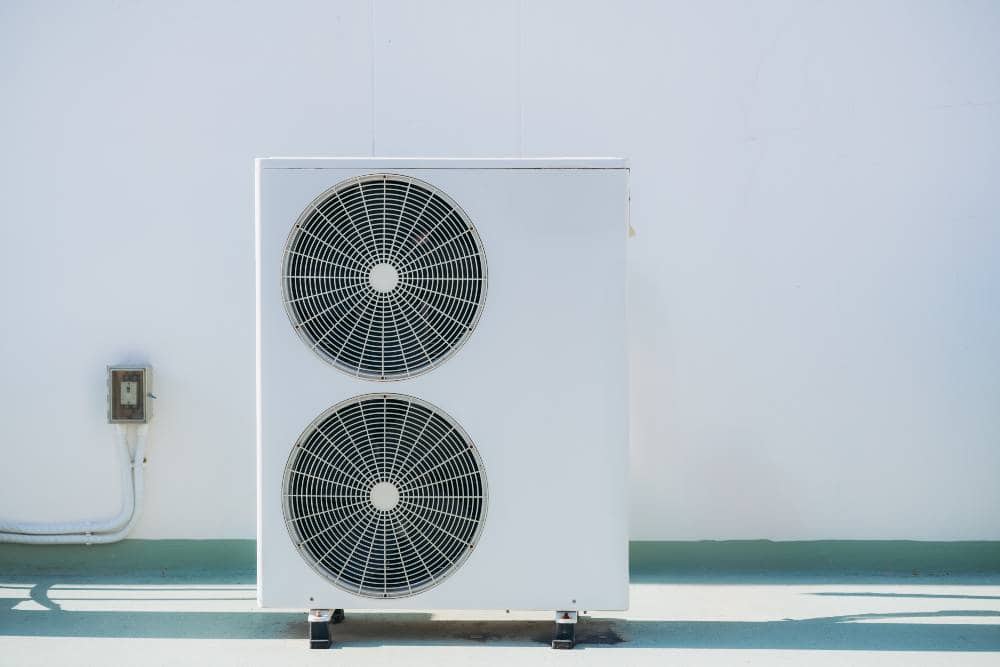
Both ducted and split system air conditioning provide efficient ways to heat and cool homes, but they differ in structure, cost, and best uses. Each system has strengths depending on property size, installation needs, and control preferences.
System Design and Key Differences
A ducted air conditioner uses a central indoor unit, often concealed in the ceiling, and an outdoor air compressor. Conditioned air travels through insulated ducts to low-profile vents in each room. A single thermostat, or zone controllers, regulate temperature across multiple areas. This design supports “whole-home” climate control from one point.
By contrast, a split system air conditioner includes one indoor window/wall air conditioner connected to an outdoor compressor. Each indoor unit cools or heats a single room or defined space. Some systems can be a multi-split air conditioner, where several indoor units connect to one outdoor unit, but each operates independently.
| Feature | Ducted System | Split System |
| Coverage | Whole home via ducts | Single room or area |
| Installation | Concealed in the ceiling or floor | Wall- or ceiling-mounted |
| Control | Central thermostat or zones | Individual room controls |
| Aesthetics | Discreet, vents only visible | Visible indoor unit |
Ducted setups require more space and higher upfront costs but offer uniform comfort and clean design. Split systems, while visible, remain easier and cheaper to install.
Practical Applications and Use Cases
Large homes and multi-room properties benefit most from ducted residential air conditioning systems. Ducted residential air conditioners distribute air evenly and allow zoning, which lets users adjust temperatures per area. This setup suits families or those wanting quiet operation and minimal visual impact.
In apartments, offices, or smaller dwellings, split system air conditioning offers better value. Each unit caters to different comfort needs and reduces energy waste by cooling only occupied rooms.
Businesses often mix both solutions in using commercial air conditioners; for example, using ducted systems in open-plan areas and split systems in smaller offices or extensions. Maintenance demands differ, too; ducted systems require periodic duct checks, while split systems need regular filter cleaning for optimal airflow.
Ducted Air Conditioning System Installation, Costs, and Leading Brands
Ducted air conditioning represents a significant investment that depends on home size, layout complexity, and brand selection. The total expense involves both installation and long-term energy use, with system efficiency and reputable brands helping manage overall operating costs.
Installation Costs and Factors
The cost of installing a ducted air conditioning system in Australia typically ranges from $8,000 to $20,000 for most homes. For smaller homes (1–2 bedrooms), the cost may start from $5,000 to $8,000, while medium to large homes (3+ bedrooms) usually range from $10,000 to $24,000 or more, depending on complexity and system capacity. Pricing varies by system capacity, number of zones, type of controls, and labour rates charged by the HVAC technician.
Labour complexity plays a major role. Retrofits in existing homes often involve cutting ceiling access and routing new ducts, increasing installation time. New builds usually cost less per square metre because ducts are fitted before ceilings are installed.
The following table offers a rough price guide for typical homes:
| Home Size | Approx. System Type | Estimated Cost Range (AUD) |
| Small (1–2 bedroom) | 7–10 kW | $5,000–$8,000 |
| Medium (3–4 bedroom) | 12–16 kW | $8,000–$15,000 |
| Large (5+ bedroom) | 18 kW+ | $15,000–$25,000+ |
Choosing an installer accredited by the Australian Refrigeration Council (ARC) ensures correct refrigerant handling and warranty protection.
Ongoing Energy Costs and Efficiency
Running costs depend on both how efficiently a system operates and how often it runs. Householders can expect monthly electricity costs ranging from $60 to $840 or more, depending on usage, system size, efficiency, and local electricity rates. Inverter ducted system compressors reduce power draw by adjusting output to match temperature needs, improving energy performance.
Energy efficiency ratings, such as the Zoned Energy Rating Label (ZERL), allow consumers to compare split systems and some ducted models for suitability in different climate zones. Proper thermal insulation, duct sealing, and smart thermostats further reduce unnecessary consumption. Regular maintenance by a qualified HVAC technician, checking cooling coils, filters, airflow, and refrigerant charge, maintains efficiency and keeps energy costs consistent over time.
Selecting a reverse-cycle system also provides heating and cooling, often saving money compared with separate units.
Top Ducted Air Conditioning Brands in Australia
Several well-known manufacturers dominate the Australian ducted air conditioning market. Daikin, Mitsubishi Electric, Panasonic, and Fujitsu are among the top-rated brands for ducted air conditioning in Australia, known for efficiency, quiet operation, and reliability. These brands supply systems with variable-speed compressors and optional Wi‑Fi control for zoning and energy management.
Other contenders include Samsung, Panasonic, and ActronAir, offering models designed for Australian climate conditions. Differences between brands come down to technology, warranty length, and service networks rather than core cooling performance.
Premium models from Daikin and Mitsubishi Electric often feature refined airflow control and advanced filtration. Fujitsu systems are valued for efficient operation and competitive pricing. Buyers should balance brand reputation with the unit’s energy rating, capacity, and the quality of local installation support. Some leading brands also offer advanced features like remote control through a wireless controller and various noise and environmental controls that will ensure comfort and efficiency.
Smarter Cooling for Sydney Summers
Stay cool and efficient with evaporative cooling service and tailored split-system air conditioner services in Sydney. Let us know how we can help you – 0480 808 422


