

Why Knowing How to Reset a Fujitsu Air Conditioner Matters
If you’ve ever experienced your Fujitsu air conditioner displaying mysterious error codes, refusing to turn on, or blowing warm air instead of cold air, you’re not alone. Knowing how to reset Fujitsu air conditioner is essential for resolving these frustrating issues that often strike during the hottest Australian summer days when you need cooling the most. A properly functioning air conditioning unit keeps your home comfortable year-round.
While Fujitsu produces reliable, high-quality inverter split systems and ducted air conditioning systems, even the best units experience temporary glitches. A reset can clear these minor faults, solve operational problems, and restore normal operation, potentially saving you time and money on unnecessary service calls.
This comprehensive guide covers when a reset is necessary, provides step-by-step instructions for different Fujitsu models, explains common error codes, and helps you determine when professional assistance is required.
Important Disclaimer: These reset instructions are general guidelines and may not apply to all Fujitsu air conditioner models. Always refer to your specific unit’s user manual for accurate, model-specific reset procedures. Regular maintenance protects your warranty coverage. If unsure about any step, contact a licensed air conditioning technician – 0480 808 422
Understanding When Your Fujitsu Air Conditioner Needs a Reset
Recognising the signs that your Fujitsu air conditioning system needs a reset is the first step to resolving issues quickly. Your unit communicates problems through various indicators, and knowing what to watch for can help you take action before minor issues become major problems.
Common Signs Your Unit Requires Resetting
- Flashing Error Codes: Operation, Timer, and Economy LED lights flash in patterns indicating specific error codes that frequently clear with a simple reset
- Unresponsive Remote Control: Unit fails to respond to remote commands, leaving you unable to adjust temperature settings or switch between cooling and heat mode
- No Cooling or Heating: System runs but produces warm air when set to cool, or cold air when heat is required, suggesting resettable system faults
- Water Leaking Indoors: Indoor unit leaks water, often from a blocked condensate drain line, sometimes triggered by a sensor malfunction requiring a reset
- Post-Power Outage Issues: After electrical surges or power outages, your AC unit may need resetting to clear electrical anomalies and restore normal operation
- Tripped Circuit Breaker: Dedicated breaker repeatedly trips when restoring power, though this may indicate serious electrical problems requiring professional help
- Short Cycling Problems: Unit cycles on and off repeatedly, subjecting the system to unnecessary wear. Reset should be your first troubleshooting step.
- Strange Operational Noises: Unusual sounds like rattling, buzzing, or clicking, along with irregular operation patterns, may indicate electronics needing resetting
- Filter Lamp Alert: Built-in filter lamp flashes after approximately 400 hours of operation, requiring a reset after cleaning air filters thoroughly
- Stuck in One Mode: The system seems frozen in one operational mode and won’t switch between cooling, heating, or fan settings despite remote commands.
- Swing Function Issues: If the swing motion stops working, separate swing motors may need resetting to restore proper vent movement
Need Expert Help? We’re Here for You
Having trouble with your Fujitsu air conditioner even after attempting a reset? We specialise in air conditioning repairs for all Fujitsu models across Sydney. See our services and call us today – 0480 808 422
How to Reset Fujitsu Air Conditioner: Methods & Step-by-Step Guide
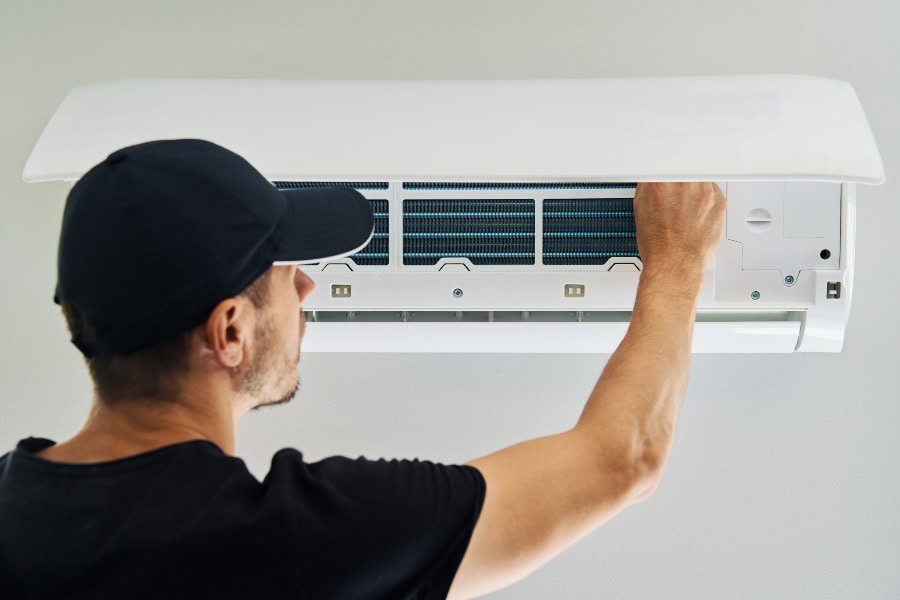
Resetting your Fujitsu air conditioner involves different methods depending on the type of reset needed. Here’s a comprehensive step-by-step guide to help you through the process safely and effectively.
Method 1: Resetting Using the Remote Control
The remote control reset is the simplest and least invasive method for resetting your Fujitsu air conditioner. This soft reset can resolve communication issues between the remote and the unit without requiring access to your electrical system.
- Step 1: Locate the Reset Button: Find the small reset button on your Fujitsu remote control, typically positioned at the bottom of the device. It may be recessed to prevent accidental pressing. Gather a thin object, such as a paperclip, toothpick, or pen tip, to access this small button safely.
- Step 2: Press the Reset Button Carefully: Gently press the reset button using your chosen tool. Apply gentle, steady pressure rather than jabbing at the button. Using excessive force or a sharp object can damage the button mechanism, rendering your remote unusable. Hold for 2-3 seconds.
- Step 3: Test the Remote Control: After pressing reset, test the remote control functionality by attempting to adjust settings or turn the unit on and off. Check if the unit responds to commands and if all buttons function properly. The remote should communicate with your air conditioner immediately.
- Step 4: Replace Batteries if Needed: If your remote still doesn’t work after the reset attempt, the issue may be dead batteries rather than a system fault. Try replacing the batteries with a fresh pair before assuming the remote itself is faulty. Ensure batteries are installed with the correct polarity.
- Step 5: Try Alternative Reset Method: For a deeper remote reset, remove the batteries completely from the remote. Press all buttons individually to discharge any residual electricity stored in the device. Wait 30 seconds, then replace the batteries and test the remote’s functionality again.
Method 2: Power Source Reset (Hard Reset via Circuit Breaker)
A power source reset (often called a hard reset) involves cutting power to the entire air conditioning system. This method clears the unit’s memory and resets all internal components, making it more effective for resolving stubborn issues.
Safety First: This method involves working with your home’s electrical system. If you’re uncomfortable with this process, contact a professional technician.
- Step 1: Turn Off the Unit Properly: Begin by turning off the unit using your remote control or wall controller. This ensures the system shuts down properly before you cut power, preventing potential electrical damage. Wait for the unit to stop completely, including the fan and any indicator lights.
- Step 2: Locate and Switch Off the Circuit Breaker: Locate your air conditioner’s dedicated circuit breaker in your switchboard. Fujitsu air conditioning systems typically have their own dedicated breaker to handle their power requirements. Switch off the circuit breaker completely or unplug the unit if accessible. Verify power is cut by checking indicator lights.
- Step 3: Wait for Complete System Shutdown: Allow 5-10 minutes for the system to fully power down. This duration ensures that all capacitors discharge, internal pressures equalise, and the system’s memory clears completely. For optimal reset performance, waiting the full 10 minutes is recommended, with an additional 10-15 minutes required after power restoration before the system stabilises into normal operation. This waiting period is crucial. Rushing this step may prevent a complete reset and leave underlying issues unresolved.
- Step 4: Perform Visual Inspection: During the waiting period, take the opportunity to perform a quick visual inspection. Check that air filters aren’t clogged with dust and debris. Dirty filters restrict airflow and reduce cooling efficiency. Look for any obvious obstructions around the indoor or outdoor units. Check for signs of water leaks around the indoor unit that might indicate blocked drain pan issues. A dirty evaporator coil can also cause performance problems.
- Step 5: Restore Power and Test: After waiting the full 5-10 minutes (following Step 3 timing), restore power by switching the circuit breaker back to the on position. Once power is restored, wait an additional 10-15 minutes before attempting to turn on the unit using the remote control or control panel to allow the system to stabilise completely. Turn on your air conditioner using the remote control or control panel, and monitor its operation carefully. Watch for any error codes or flashing lights that might indicate persistent problems. Test basic functions, including cooling, heating, and fan speed.
Resetting the Filter Lamp
Fujitsu indoor units feature a built-in filter lamp safety feature that monitors usage hours and alerts you when filters require cleaning. This proactive system helps maintain optimal performance and air quality in your house, but the lamp needs resetting after you’ve cleaned the filters.
- Step 1: Clean Your Air Filters: Before resetting the filter lamp, ensure you’ve actually cleaned your air filters. Remove the filters according to your model’s instructions, vacuum loose dust and debris, and wash with mild detergent if heavily soiled. Allow filters to dry completely before reinstalling, as damp filters promote mould growth.
- Step 2: Locate the Filter Reset Button: After reinstalling clean filters, locate the filter reset button. This is typically found on the remote control or wall controller, clearly labelled as “FILTER RESET” or similar. Some models may have this button on the indoor unit itself, behind the front panel.
- Step 3: Press and Hold the Reset Button: Press and hold the filter reset button for several seconds, usually 3-5 seconds, depending on your model. You should see the filter lamp stop flashing or turn off completely, indicating the reset was successful. If using a remote, ensure it’s pointed at the unit.
- Step 4: Verify the Reset: Confirm that the filter lamp has been successfully reset by checking that the indicator light is no longer flashing or illuminated. The system has now restarted the 400-hour usage timer. Make a note of when you cleaned the filters for future reference.
- Step 5: Establish Regular Maintenance Schedule: Set a reminder to clean your filters again in 2-4 weeks during peak usage seasons (summer for cooling, winter for heat). Regular filter cleaning is essential for maintaining your system’s efficiency and preventing issues like frozen evaporator coils or reduced cooling performance. Consistent maintenance extends your unit’s lifespan.
Different Types of Fujitsu Air Conditioners and How to Reset Them
Fujitsu manufactures various air conditioning systems, each with specific reset procedures tailored to its design and functionality. Understanding your specific system type ensures you follow the most effective reset process.
General Disclaimer: The following reset procedures are general guidelines for different Fujitsu system types. Specific models may have variations in their reset process. Always consult your user manual for model-specific instructions. If you’re unsure about any step, contact a qualified technician or CB Climate Control for professional assistance.
Fujitsu Split System Air Conditioning Unit
Fujitsu split systems feature a wall-mounted indoor unit connected to an outdoor compressor. These are Australia’s most common residential installations, prized for their efficiency and quiet operation. Split systems resolve communication errors, sensor malfunctions, and temporary glitches through proper reset procedures.
How to Reset:
- Turn off the indoor unit using your remote control.
- Switch off the power at the dedicated circuit breaker.
- Wait 5 minutes for a complete system shutdown.
- Restore power at the circuit breaker.
- Turn on the unit and test the operation.
- For manual operation without remote: Open the intake grille of the indoor unit and locate the MANUAL AUTO button on the control board, typically in the upper right corner. Press and hold this button for 3-10 seconds to start the unit in AUTO mode (default cooling at 24°C). Press once more to stop the operation.
Note: You cannot adjust temperature, mode, or fan speed using manual operation, remote control is required for full functionality.
Fujitsu Ducted Systems
Ducted systems distribute air through multiple vents from a central unit, controlled via wall-mounted controllers or thermostats. Some models use a wired remote controller for zone management. These complex systems serve entire homes with zone control capabilities. Resetting ducted systems clears controller communication errors and restores zone functionality when properly executed.
How to Reset:
- Turn off the system using the wall controller.
- Locate the reset button on the controller (small and recessed)
- Press and hold the reset button for 3-5 seconds using a thin object
- For a complete system reset, locate the main circuit breaker in the switchboard.
- Switch off the breaker and wait 5 minutes.
- Restore power and reprogram zone settings if necessary.
- Test all zones to ensure proper operation.
Fujitsu Multi-Split and Multi-Room AC Units
Multi-split configurations use one outdoor unit serving multiple indoor units. These are ideal for homes needing air conditioning in several rooms without multiple outdoor compressors. These systems allow independent control of each zone while sharing a single outdoor unit, providing flexibility and efficiency.
How to Reset Fujitsu Air Conditioner (Individual Units):
- Use the specific remote for the affected indoor unit.
- Press the reset button on that remote.
- Test the unit’s operation independently.
How to Reset Fujitsu Air Conditioner (Entire System):
- Turn off all indoor units using their respective remotes.
- Switch off the main circuit breaker for the outdoor unit.
- Wait 5 minutes for a complete system reset.
- Restore power at the circuit breaker.
- Turn on each indoor unit individually.
- Test each zone to ensure proper operation.
Fujitsu DC Inverter Models
DC inverter technology offers superior energy efficiency by varying compressor speed rather than cycling on and off. Most modern Fujitsu units utilise this advanced technology. Inverter models require slightly longer reset times and may run self-diagnostics after power restoration for optimal performance calibration.
How to Reset:
- Turn off the unit using the remote control.
- Switch off the power at the circuit breaker.
- Wait 5 minutes (inverter units need the full duration)
- Restore power at the circuit breaker.
- Wait 30-60 seconds for the self-diagnostic routine to complete
- Turn on the unit and test all functions.
- Monitor for any error codes during the startup sequence.
Thinking About an Upgrade?
If you’re frequently dealing with error codes and persistent issues, it might be time to consider modern, efficient air conditioning systems. We can assess your current setup and recommend energy-efficient Fujitsu models that suit your home perfectly. Call us today – 0480 808 422
Understanding Fujitsu Error Codes and Flashing Lights During Reset
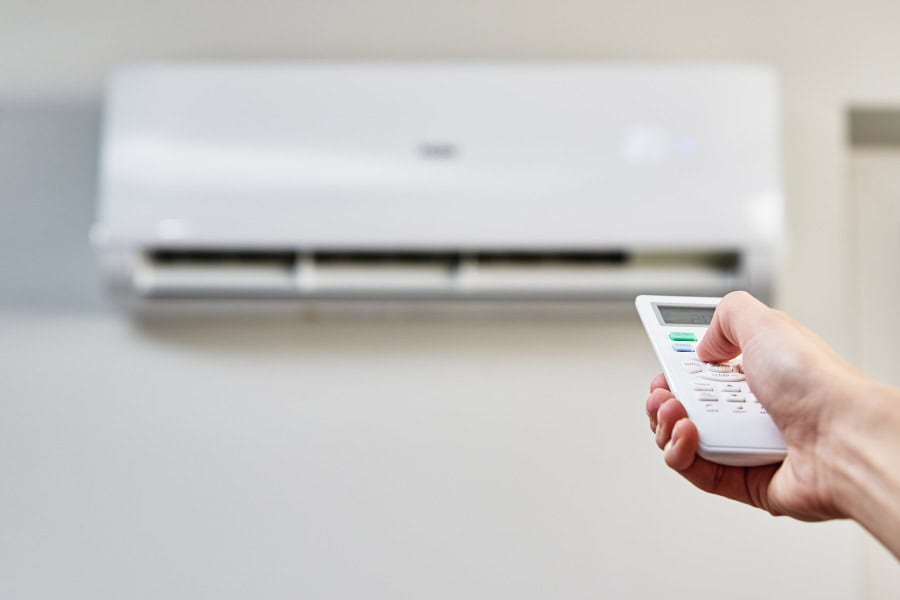
Fujitsu air conditioners use a sophisticated error code system communicated through flashing LED lights on the indoor unit. Understanding these signals helps you diagnose problems and determine whether a reset might resolve the issue.
What Those Flashing Lights Mean
Three LED lights on your Fujitsu indoor unit serve as diagnostic indicators: the Operation LED, Timer LED, and Economy LED. When the Economy light blinks continuously, it signals that an error has been detected. The Operation LED (representing the first digit) and Timer LED (representing the second digit) flash a specific number of times to indicate the precise error code.
For example, if the Operation LED flashes 3 times followed by the Timer LED flashing 2 times, this indicates error code 32 (an indoor unit main PCB error). This numerical system allows the unit to communicate specific problems without requiring digital displays.
Important limitation: The unit can only display one error code at a time through flashing lights. If multiple problems exist simultaneously, the unit displays the first detected error. Only after resolving that initial problem will any additional error codes become visible.
Common Fujitsu Error Codes
| Error Code | Description | Can Reset Fix? |
| 11 | Communication error between indoor/outdoor units | Often |
| 12 | Remote controller communication error | Usually |
| 32 | Indoor unit main PCB error | Sometimes |
| 41 | Room temperature thermistor error | Sometimes |
| 42 | Heat exchange temperature thermistor error | Sometimes |
| 51 | Indoor fan motor error | Rarely |
| 62 | Outdoor unit main PCB error | Sometimes |
| 64 | PFC circuit error (Active filter/power factor correction issue) | Rarely |
| 71 | Outdoor unit discharge temperature thermistor error | Sometimes |
| 95 | Compressor motor control error | Rarely |
Understanding which error codes in a Fujitsu AC can be resolved with a reset and which require professional repair helps you decide your next steps. Communication errors (codes 11, 12) and some sensor errors often respond to resets. However, mechanical failures like fan motor errors (code 51), major PCB faults (codes 32, 62), and compressor issues (code 95) usually need professional repair even after reset attempts.
When flashing lights persist after multiple reset attempts, this confirms a genuine mechanical or electrical problem rather than a temporary glitch. At this point, a professional diagnosis becomes necessary to identify and repair the underlying fault.
What to Do When A Fujitsu Aircon Reset Doesn’t Work
Not every problem responds to a simple reset. Understanding what to check next and when to call a professional helps prevent wasted time and potential damage to your air conditioning system.
Next Steps If Your Fujitsu AC Won’t Reset Properly
Before concluding that your reset attempts have failed, work through these essential troubleshooting steps:
- Verify Power Supply: Confirm the dedicated circuit breaker hasn’t tripped and holds firmly in the “on” position. A breaker that trips repeatedly indicates an electrical fault requiring immediate professional attention.
- Clean Air Filters: Remove, vacuum, or wash clogged air filters that restrict airflow and cause numerous performance problems, ensuring they’re completely dry before reinstallation. Dirty filters are one of the most common air-con issues.
- Inspect Outdoor Units: Check for leaves, grass clippings, or debris blocking the outdoor compressor and ensure at least 30 centimetres of clear space surrounds the unit.
- Replace Remote Batteries: Install fresh batteries in your remote control, as weak batteries cause intermittent operation and communication errors that mimic serious problems.
- Check for Obstructions: Verify all vents and grilles remain unobstructed by furniture, curtains, or other objects that prevent proper air circulation.
- Recognise Persistent Error Codes: If the same error code reappears after multiple resets, this indicates a genuine fault requiring professional diagnosis rather than a temporary glitch.
- Know When to Call Professionals: Water leaking from the unit, strange noises that persist after reset, burning smells, complete system failure, or refrigerant leaks (hissing sounds, ice buildup) all require expert technicians. Low refrigerant levels affect both cooling and heating performance.
- Never Open the Unit: Modern air conditioners contain high-voltage electrical components, pressurised refrigerant, and complex electronics requiring specialised training and tools to service safely.
Critical safety message: Some issues (compressor failure, refrigerant leaks, or damaged printed circuit boards) require specialised diagnostic equipment and technical expertise that only qualified professionals possess. Contact CB Climate Control or a licensed technician when problems persist beyond basic troubleshooting.
Preventive Maintenance to Reduce the Fujitsu Aircon Resets
Preventing problems proves far more cost-effective and convenient than constantly troubleshooting and resetting your Fujitsu air conditioner. A proactive maintenance approach keeps your system running smoothly and extends its operational lifespan significantly.
Keeping Your Fujitsu Air Conditioner Running Smoothly
Implementing a regular maintenance routine protects your investment and ensures optimal performance year-round:
- Clean Filters Regularly: Remove and clean air filters every 2-4 weeks during peak seasons, vacuum debris, wash with mild detergent if needed, and always reset the filter lamp after cleaning.
- Schedule Annual Professional Servicing: Book comprehensive service every 12 months (ideally before peak seasons) for deep coil cleaning, refrigerant checks, electrical inspections, and overall system assessment
- Maintain Outdoor Unit Clearance: Keep at least 30 centimetres of clear space around your outdoor compressor, removing leaves, grass clippings, and trimming vegetation regularly.
- Use Smart Temperature Settings: Each degree of temperature increase can increase energy consumption by approximately 3-6%. Utilise ceiling fans for better air circulation. Utilise ceiling fans for better air circulation
- Install Surge Protection: Protect sensitive inverter electronics from power surges caused by lightning, grid fluctuations, and large appliances, especially during Australian storm seasons.
- Perform Seasonal Checks: Test your system before peak summer and winter, replace remote batteries annually, inspect drain lines for blockages, and verify thermostat settings.
- Keep Doors and Windows Closed: Prevent conditioned air from escaping and reduce system strain by sealing your space during operation.
- Understand the Financial Benefits: Well-maintained systems consume 20-40% less energy, last 15-20 years versus 10-12 years for neglected units, and avoid costly emergency repairs during peak demand.
CB Climate Control offers comprehensive maintenance packages tailored to your specific Fujitsu system, providing peace of mind that your investment receives proper professional care year-round.
Ready for Professional Peace of Mind?
Whether you need a new installation or replacement, proper air conditioning installation is crucial for optimal performance and longevity. Our technicians ensure your Fujitsu system is set up correctly from day one. See our service areas and give us a call today – 0480 808 422
Reset Your Fujitsu Air Conditioner Back to Peak Performance Today
You now possess the knowledge on how to reset Fujitsu air conditioner when minor issues arise. Resetting often provides a simple first step to resolving many common problems, but always follow safety precautions and consult your specific model’s manual for accurate procedures.
While resets effectively fix temporary glitches and minor faults, persistent problems indicate genuine mechanical or electrical issues requiring professional expertise. There’s no shame in seeking expert help. Timely professional intervention prevents further damage and ensures safety.
If your Fujitsu air conditioner continues malfunctioning after attempting these reset procedures (or if you experience persistent error codes, water leaks, strange noises, or complete system failure), contact the experts at CB Climate Control. Our qualified technicians possess extensive experience with all Fujitsu systems and can quickly diagnose and repair any issue.
Contact CB Climate Control today to schedule your annual Fujitsu air conditioner service and keep your system running smoothly year-round.


